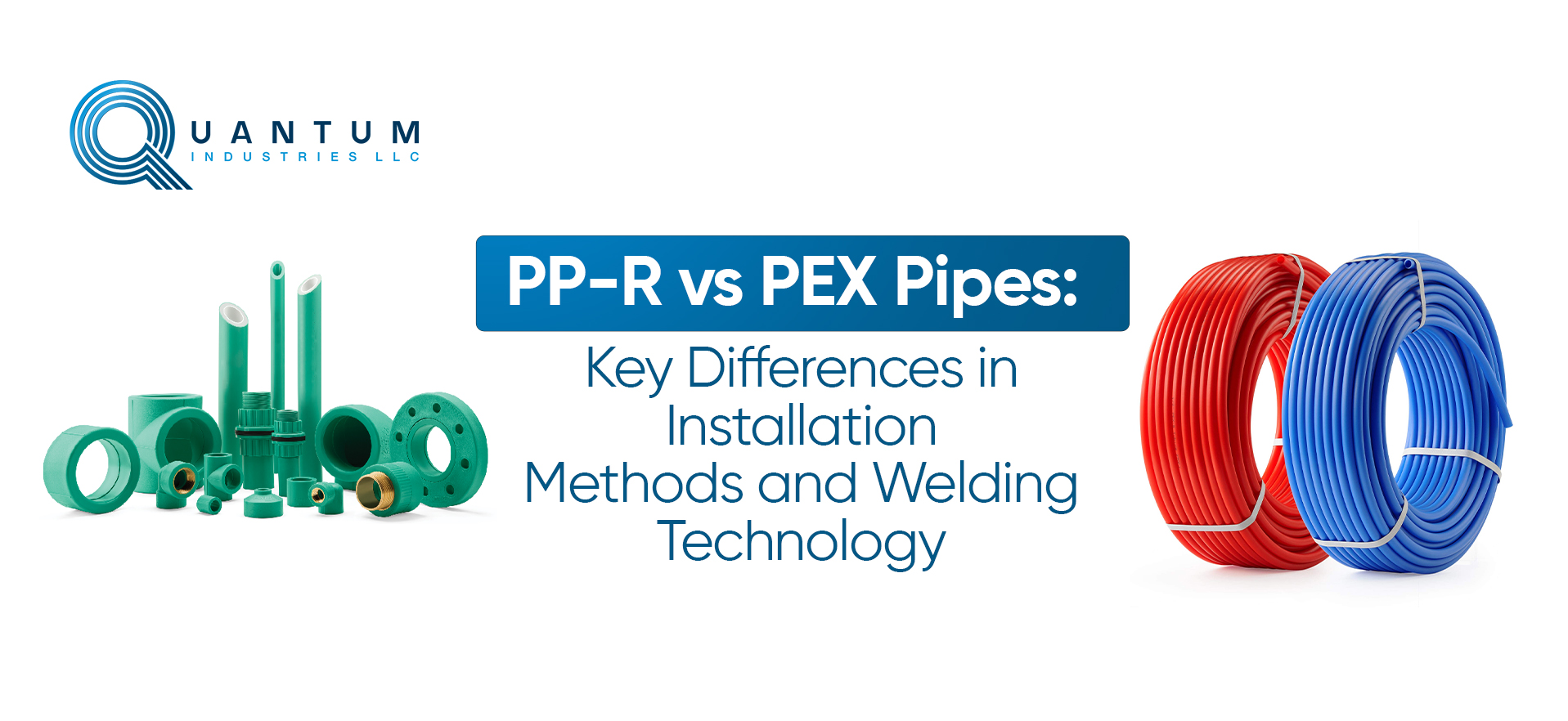
To guarantee long-term durability, effectiveness and performance from your plumbing system you need to select the right type of pipe. Polypropylene Pipe (also known as PP-R) & Cross-Linked Polyethylene (PEX) pipe have been used extensively as plumbing materials by both the residential & commercial sectors throughout the world. However there are many significant differences between their installation processes & methods of connecting.
Companies like Quantum Industries rely on the differences between PP-R and PEX to provide effective piping solutions in this era of advanced infrastructure delivery systems. The following post discusses the primary differences between PP-R and PEX from a standpoint of installation methods and welding methods.
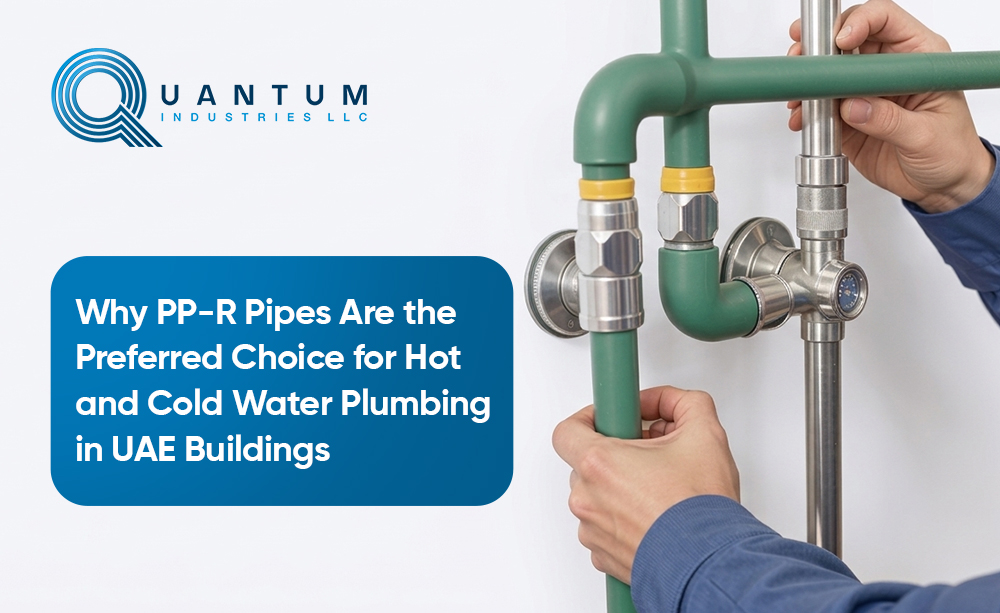
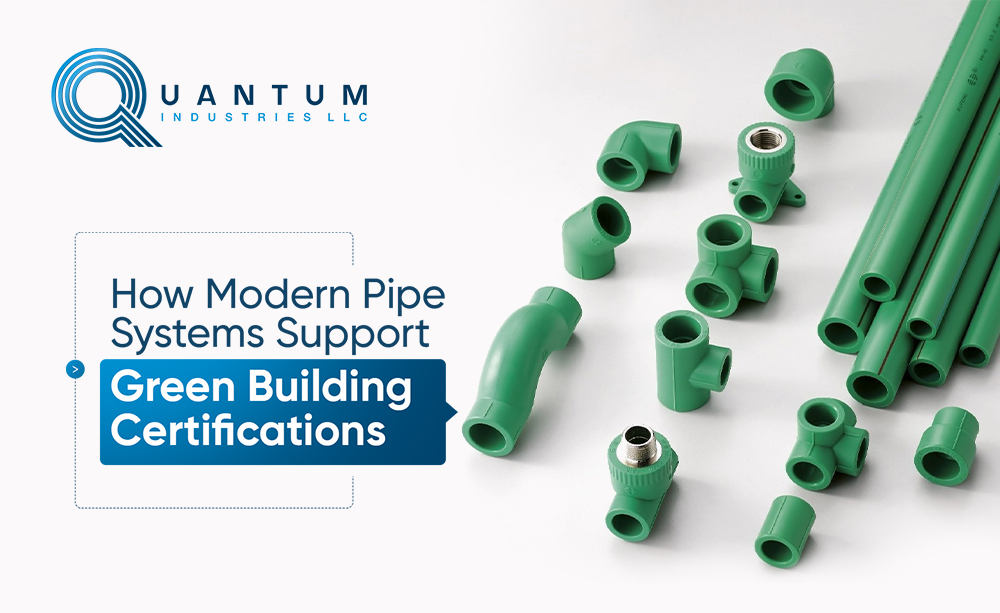
PP-R pipes exhibit strong rigidity, a high degree of strength and a level of resistance at elevated temperatures and extreme pressure. In plumbing applications, PP-R pipes can be utilised for both hot and cold water applications. They also have excellent durability and resistance to corrosion.
PEX piping possesses an advantage over other forms of pipe such as copper pipes due to the fact that they are flexible and light in comparison. This allows homeowners, contractors and builders to use PEX during their plumbing and remodelling activities because they are simple to install, quick to work with, can fit into a variety of creative plumbing configurations with fewer connectors than conventional piping.
Although both types of pipe have proven to be dependable, each type has its distinctions when it comes to installing and connecting the pipes.
One of the most important differences between PP-R and PEX pipes lies in how they are installed.
Pipe PP-R is installed by the heat fusion procedure called socket fusion welding. The process is defined as an application of heat combined with pressure applied to both pipe and fitting(s) until they reach a predetermined temperature. As they cool down, they will form into one cohesive structure.
This method requires specialized welding equipment and skilled technicians. Each joint must be carefully aligned and heated for the correct duration to ensure a proper bond. Although the process takes more time compared to other systems, it results in extremely strong and reliable joints.
PEX pipes use mechanical connection methods instead of heat. Common techniques include crimping, clamping, expansion fittings, and push-fit connections.
These methods are faster and require fewer tools. Installers can complete connections quickly without waiting for heating or cooling. This makes PEX a popular choice for projects where speed and efficiency are important.
Additionally, PEX pipes can be bent around corners, reducing the need for extra fittings and simplifying the installation process.
The joining technology used in PP-R and PEX systems is a major factor that influences their performance.
PP-R pipes use thermal fusion welding, where the pipe and fitting are melted and fused into one continuous piece. This creates a homogeneous system with no separate joints.
The advantages of this technology include:
Because the joint becomes part of the pipe itself, there is virtually no risk of leakage when installed correctly.
Mechanical fittings are utilized in all PEX systems to connect pipes together. These fittings utilize compression or expansion to form a seal between the pipe and connector.
Even though the way these joints connect to each other is effective, the job of holding together with external components, i.e., rings and/or clamps, means that their ability to stay connected may weaken over time due to temperature changes, pressure fluctuations, or improper installation.
Even though modern PEX fittings are highly reliable, they do not create the same seamless structure as PP-R welding.
Speed and skill level are important considerations when choosing between PP-R and PEX.
Systems using PEX piping tend to be quicker to install due to there being no need for heating or cooling. This allows for the connection to be made quickly, lowering the total labour time and duration of the project.
PP-R systems take longer because of the expertise required for welding. Careful control of temperature, alignment, and timing is necessary for successful welding, so skilled professionals are required for a quality install.
As a result, PEX is often preferred for fast-paced projects, while PP-R is chosen for applications where long-term reliability is the priority.
Speed and skill level are important considerations when choosing between PP-R and PEX.
PEX systems are quicker to install because they do not involve heating or cooling. Installers can complete connections rapidly, which reduces labor time and overall project duration.
PP-R systems require more time and expertise. Proper welding demands precision in temperature control, alignment, and timing. Skilled professionals are necessary to ensure high-quality installation.
As a result, PEX is often preferred for fast-paced projects, while PP-R is chosen for applications where long-term reliability is the priority.
PEX pipes are highly flexible, which allows them to navigate around obstacles easily. This reduces the number of joints and fittings needed, making them ideal for complex layouts and renovation work.
PP-R pipes are more rigid and require fittings to change direction. While this may increase installation effort, it also provides greater structural stability. The rigidity of PP-R helps maintain consistent flow and reduces the risk of bending or deformation over time.
This makes PP-R a strong choice for systems that demand durability and stability.
When it comes to long-term performance, PP-R pipes offer a significant advantage due to their welding technology.
The seamless joints in PP-R systems eliminate weak points, ensuring consistent performance over decades. These systems are known for their long lifespan and low maintenance requirements.
PEX pipes also provide good durability, but their mechanical joints introduce additional variables. The longevity of a PEX system depends on the quality of fittings and the accuracy of installation.
Both materials perform well, but PP-R stands out in applications where leak prevention and long-term reliability are critical.
Cost is another important factor in selecting a piping system.
PEX systems generally have lower initial installation costs. They require less labor, fewer tools, and less time to install. This makes them a cost-effective option for residential and small-scale projects.
PP-R systems may involve higher upfront costs due to specialized equipment and skilled labor. However, their durability and low maintenance needs often make them more economical in the long run.
Choosing between the two depends on whether the priority is short-term savings or long-term value.
The choice between PP-R and PEX pipes depends on the specific requirements of the project.
PP-R is best suited for large-scale commercial and industrial systems where strength, durability, and leak-proof performance are essential.
PEX is ideal for residential applications, renovations, and projects that require flexibility and quick installation.
Understanding the advantages and limitations of each system allows engineers and contractors to make informed decisions.
PP-R and PEX pipes each offer unique benefits that make them suitable for different types of plumbing systems. The main difference lies in their installation methods and joining technologies. PP-R uses heat fusion welding to create a seamless and highly durable system, while PEX relies on mechanical fittings that provide speed and flexibility.
For projects that demand long-term performance, structural strength, and minimal risk of leakage, Qtherm PP-R is often the preferred choice. For faster installations and adaptable layouts, Qtherm PEX provides a practical and efficient solution.
By selecting the right piping system, companies like Quantum Industries can ensure high-quality, reliable plumbing solutions that meet the evolving needs of modern construction.